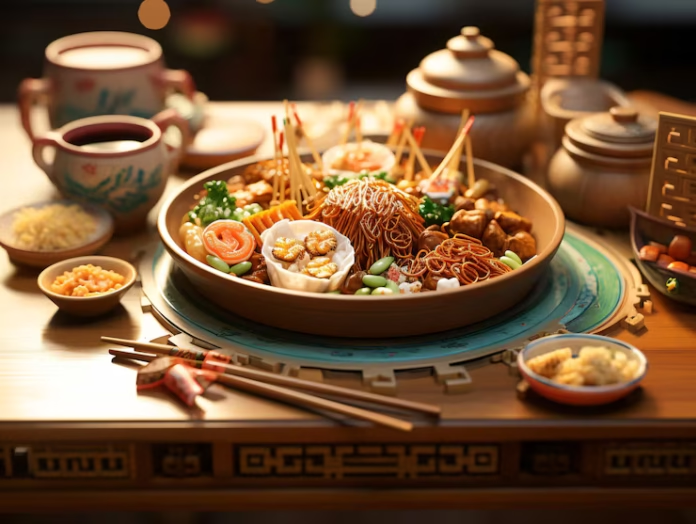


The China Kitchen menu is a treasure trove of authentic Chinese cuisine, offering a wide range of dishes that highlight the best of Chinese culinary traditions. Whether you’re in the mood for a savory appetizer, a hearty main course, or a sweet finish, the China Kitchen menu has something to suit every palate. The dishes on this menu often reflect regional Chinese flavors, incorporating fresh ingredients and traditional cooking techniques to create a flavorful dining experience.
Chinese cuisine is known for its bold flavors, intricate cooking methods, and the delicate balance of textures and spices. From the vibrant streets of Beijing to the coastal regions of Canton, Chinese food offers an exciting variety of tastes and cooking styles that make it one of the most beloved cuisines around the world. The China Kitchen menu brings a little piece of China to your table, allowing you to explore these flavors in the comfort of your own home or local restaurant.
In this guide, we will explore the different sections of a typical China Kitchen menu, providing detailed insights into each category of dishes. From appetizers to desserts, you’ll learn about the key dishes, their ingredients, and why they are staples in Chinese cuisine.
A Peek into the China Kitchen Menu: Key Categories
The China Kitchen menu is often organized into several key categories, each offering a distinct set of dishes. Whether you’re ordering for a large group or enjoying a meal for one, it’s important to understand what each section has to offer. Here are the main categories you’ll find on a typical China Kitchen menu:
1. Appetizers: The Perfect Start to Your Meal
Appetizers are an essential part of the China Kitchen menu, designed to kickstart your dining experience with flavorful bites. These dishes are typically small, easy to share, and bursting with taste. Common appetizers include:
- Spring Rolls: A fan-favorite, these crispy rolls are often filled with a savory mix of vegetables, shrimp, or pork. They are typically served with a dipping sauce, such as sweet and sour or chili sauce.
- Dumplings: Dumplings are another classic appetizer, usually filled with minced pork, beef, or vegetables. They can be steamed, boiled, or pan-fried, and often come with a side of soy-based dipping sauce.
- Egg Rolls: Similar to spring rolls but larger and typically stuffed with a mix of meat and vegetables. They are deep-fried to achieve a crunchy exterior.
- Hot and Sour Soup: A comforting soup that combines the perfect balance of spicy and tangy flavors. It often contains tofu, bamboo shoots, mushrooms, and a flavorful broth, making it a warming and satisfying appetizer.
These appetizers serve as a great introduction to the rich flavors of Chinese cuisine, and they set the tone for the main course.
2. Main Courses: Hearty and Satisfying Dishes
The main courses on the China Kitchen menu offer a variety of options, showcasing the diverse flavors and ingredients of Chinese cooking. Whether you prefer meats, seafood, or vegetarian dishes, there is something for everyone. Some of the most popular main courses include:
- Kung Pao Chicken: A staple of Sichuan cuisine, this dish is known for its spicy and tangy flavor. It features chicken stir-fried with peanuts, bell peppers, onions, and a spicy sauce made from soy sauce, vinegar, and chili peppers.
- General Tso’s Chicken: Another beloved dish, General Tso’s chicken is crispy fried chicken coated in a sweet, tangy, and spicy sauce. It’s one of the most popular dishes in Chinese-American cuisine.
- Beef with Broccoli: A classic Chinese dish where thin slices of beef are stir-fried with fresh broccoli in a savory brown sauce made with soy sauce, garlic, and ginger.
- Sweet and Sour Pork: This dish features tender pieces of pork coated in a crispy batter and tossed in a vibrant sweet and sour sauce made with vinegar, ketchup, sugar, and soy sauce. It is often accompanied by bell peppers, pineapple, and onions.
- Chicken with Cashews: Tender pieces of chicken stir-fried with cashew nuts, vegetables, and a light savory sauce. It’s a satisfying and flavorful option for those who enjoy a slightly milder dish.
These main courses are usually served with steamed white rice or fried rice, making for a complete and fulfilling meal.
3. Seafood: Fresh and Flavorful Selections
Seafood dishes are an important part of the China Kitchen menu, offering fresh and flavorful options for seafood lovers. Chinese cuisine features a variety of seafood dishes, often cooked with simple ingredients to highlight the natural flavors of the fish, shrimp, or crab. Some common seafood offerings include:
- Shrimp with Lobster Sauce: A popular seafood dish made with shrimp stir-fried in a savory sauce made from lobster stock, garlic, ginger, and soy sauce. The sauce is rich and flavorful, perfectly complementing the shrimp.
- Steamed Fish with Ginger and Scallions: This is a traditional Cantonese dish where whole fish is steamed and topped with ginger, garlic, and scallions. The fish is served with a light soy-based sauce, bringing out its natural sweetness.
- Crispy Fried Fish: Lightly battered and deep-fried fish that is crispy on the outside and tender on the inside. This dish is often paired with a dipping sauce or served with a side of vegetables.
- Sweet and Sour Shrimp: Shrimp coated in a crispy batter, fried, and tossed in a tangy and sweet sauce made with vinegar, sugar, and ketchup, usually served with bell peppers, onions, and pineapple.
Seafood dishes offer a delicate and aromatic flavor profile, making them a great choice for those who enjoy seafood.
4. Vegetarian and Vegan Options: Flavorful and Healthy
Chinese cuisine is known for its versatile use of vegetables, and the China Kitchen menu is no different. Vegetarian and vegan dishes are a great choice for those looking to enjoy a plant-based meal. Common vegetarian and vegan-friendly dishes on the menu include:
- Mapo Tofu: A popular dish from Sichuan cuisine, Mapo Tofu is made with soft tofu in a spicy and flavorful sauce. It often includes ground pork or beef, though it can easily be made vegan by omitting the meat. The sauce is typically made with chili bean paste, garlic, and ginger, giving the dish its signature bold flavor.
- Vegetable Lo Mein: Stir-fried noodles with a mix of fresh vegetables like mushrooms, bell peppers, onions, and broccoli. This dish is often served with a soy-based sauce and can be customized to include tofu or other plant-based proteins.
- Vegetable Spring Rolls: A lighter, vegetarian version of the traditional spring rolls, stuffed with an assortment of fresh vegetables, such as cabbage, carrots, and mushrooms, and served with a tangy dipping sauce.
- Bok Choy with Garlic: A simple yet flavorful dish made by stir-frying bok choy (a type of Chinese cabbage) with garlic and ginger. It’s a perfect side dish to complement a main course.
Vegetarian and vegan dishes provide a healthy, flavorful, and satisfying alternative to meat-based options, showcasing the variety of flavors in Chinese cooking.
5. Rice and Noodles: The Staples of Chinese Cuisine
Rice and noodles are fundamental components of Chinese cuisine, and the China Kitchen menu features a wide variety of options. These staple dishes are often served alongside main courses or as stand-alone dishes. Some popular rice and noodle options include:
- Fried Rice: A beloved dish made with stir-fried rice, vegetables, scrambled eggs, and your choice of meat or seafood. It’s a great way to use up leftover rice and is incredibly flavorful.
- Chow Mein: Stir-fried noodles with vegetables and meat, often served with a savory sauce made from soy sauce, garlic, and sesame oil. Chow Mein is a comforting and satisfying noodle dish.
- Steamed Rice: Simple, fluffy steamed white rice is often the perfect accompaniment to most Chinese dishes. It serves as a neutral base, allowing the flavors of the main dishes to shine.
- Lo Mein: Another popular noodle dish, Lo Mein features soft, chewy noodles stir-fried with vegetables and meat or tofu. It’s often seasoned with soy sauce, garlic, and ginger for added depth of flavor.
Rice and noodles are essential to completing the meal, adding balance to the bold and savory flavors of the main dishes.
6. Desserts: A Sweet Conclusion to Your Meal
Chinese desserts are often lighter than their Western counterparts, but they are no less delicious. The China Kitchen menu typically offers a selection of sweet treats that provide the perfect ending to your meal. Some popular desserts include:
- Sesame Balls: Crispy on the outside and filled with sweet red bean paste, sesame balls are a traditional Chinese dessert that offers a satisfying crunch and a slightly sweet filling.
- Fortune Cookies: These crisp cookies are typically served with a fortune or proverb inside, offering a fun and lighthearted end to your meal.
- Mango Pudding: A creamy, refreshing dessert made with ripe mangoes and coconut milk. This tropical treat is both sweet and refreshing, perfect for those who love fruit-based desserts.
These desserts are a wonderful way to round off your China Kitchen experience, leaving you with a sweet taste to remember.
Conclusion: Why Choose the China Kitchen Menu?
The China Kitchen menu offers a rich and diverse array of dishes that cater to all tastes and preferences. Whether you’re a fan of spicy Sichuan dishes, savory Cantonese meals, or vegetarian delights, the menu provides something for everyone. The balance of flavors, textures, and cooking techniques makes Chinese cuisine truly unique.
https://mbpart.ca/