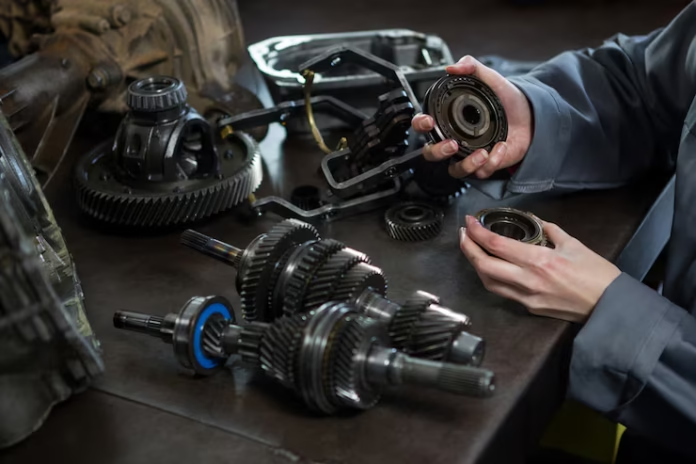


The Willys MB, affectionately known as the original Jeep, was a game-changer during World War II. With its rugged frame, reliable engine, and all-terrain capability, it became the workhorse of the Allied forces. Decades later, it remains a beloved icon among collectors and military vehicle enthusiasts. Restoring or maintaining one requires a detailed understanding of Willys MB parts. This guide covers everything from engine components to frame details, offering a comprehensive look into what makes these vehicles run — and how to keep them running.
1. A Brief History of the Willys MB
Before diving into parts, it’s important to understand the Willys MB’s origin. In 1941, the U.S. military sought a light reconnaissance vehicle. Willys-Overland won the contract with its MB model, which featured a 60-horsepower “Go-Devil” engine and four-wheel drive. Over 360,000 Willys MBs were produced between 1941 and 1945.
2. Identifying Original Willys MB Parts
2.1 Authenticity Matters
Whether you’re restoring to showroom condition or just want a reliable drive, using authentic or properly reproduced parts is critical. Look for original part numbers, period-correct markings, and materials that match the specifications from the 1940s.
2.2 Reproduction vs. NOS (New Old Stock)
Reproductions are modern-made replicas, often based on original blueprints. New Old Stock parts are original items produced during or shortly after the MB’s production run, which were never used. NOS parts are rare and often more expensive but offer unparalleled authenticity.
3. Engine Components
3.1 L134 “Go-Devil” Engine
This 134.2 cubic inch, 4-cylinder flathead engine is the core of the Willys MB. Known for its durability and simplicity, key parts include:
- Cylinder head and valves
- Pistons and connecting rods
- Camshaft and timing gears
- Oil pump and pan
- Water pump and fan assembly
3.2 Carburetor and Fuel System
The Willys MB originally used a Carter WO carburetor. Other vital parts include:
- Fuel pump (mechanical)
- Fuel lines and filter
- Gas tank (original was 15-gallon, under the driver seat)
- Air filter (oil bath type)
4. Electrical System
4.1 6-Volt Electrical System
The original system used a 6-volt battery, although many restorers convert to 12 volts for reliability. Essential components include:
- Generator (not an alternator)
- Starter motor
- Distributor and ignition coil
- Spark plugs and plug wires
- Headlights, blackout lights, and taillights
4.2 Wiring Harness
The wiring harness on an MB is relatively simple, but period-correct cloth-insulated wires are important for authenticity. Proper routing and securing with clips are essential.
5. Transmission and Transfer Case
5.1 T-84 Transmission
The Willys MB was fitted with the T-84 3-speed manual gearbox. Important components are:
- Main case and cover
- Input and output shafts
- Synchronizers and gear sets
- Shifter tower and cane
5.2 Dana 18 Transfer Case
This compact unit allowed 2WD and 4WD operation with high and low ranges. Parts include:
- Shift levers and linkages
- Bearings and gears
- Output shafts for front and rear drives
6. Axles and Driveshafts
6.1 Front Axle: Dana 25
6.2 Rear Axle: Dana 23-2
Both axles are semi-floating and feature:
- Ring and pinion gears
- Axle shafts and u-joints
- Wheel hubs and locking mechanisms (optional wartime upgrade)
- Leaf spring perches
Driveshafts connect the transfer case to the axles and include slip joints and universal joints.
7. Brakes and Steering
7.1 Braking System
The original Willys MB uses 9-inch drum brakes on all four wheels. Key components:
- Brake shoes and drums
- Master cylinder (frame-mounted)
- Wheel cylinders and hydraulic lines
- Mechanical handbrake system
7.2 Steering
The MB uses a Ross steering box. Components include:
- Steering column and wheel
- Pitman arm and drag link
- Tie rods and bell crank
- Kingpins and knuckles
8. Suspension and Frame
8.1 Leaf Spring Suspension
Heavy-duty leaf springs were used on both axles. Each set includes:
- Main leaf and secondary leaves
- Shackles and spring bolts
- Bump stops and rebound clips
8.2 Frame and Crossmembers
The MB’s frame is a ladder-type steel structure. Over time, it may require welding, bracing, or complete replacement.
9. Body and Sheet Metal
9.1 Tub and Panels
The MB body was mostly spot-welded steel and includes:
- Hood and grille (9-slot grille introduced in mid-1942)
- Fenders and windshield frame
- Side panels and tool indents
- Floor pans and firewall
9.2 Seating and Interior
Spartan by design, the interior includes:
- Driver and passenger bucket seats (canvas covers)
- Rear bench (optional)
- Gauges: speedometer, fuel, temp, oil pressure, amp meter
- Glove box or data plate area
10. Accessories and Fittings
10.1 Pioneer Tools
Wartime MBs often carried a shovel and axe mounted on the driver’s side. Reproduction mounts and tools are available.
10.2 Lighting and Blackout Equipment
Standard and blackout lighting systems include:
- Blackout driving light
- Blackout marker lights
- Rear convoy light system
10.3 Canvas and Weather Equipment
Original canvas gear includes:
- Top and side curtains
- Canvas seat covers
- Windshield cover and straps
11. Common Restoration Challenges
- Rust damage on floorboards and lower panels
- Wiring issues, especially with converted systems
- Missing data plates and identifying serial numbers
- Non-original parts used in past civilian modifications
- Finding NOS parts and verifying authenticity
12. Tips for Maintaining Your Willys MB
- Perform regular oil changes and check coolant levels
- Inspect the brake system every six months
- Keep all pivot points and joints lubricated
- Store in a dry, ventilated space to avoid corrosion
- Use it regularly to avoid mechanical stagnation
13. Sourcing Willys MB Parts
While many parts are now reproduced, it’s important to choose suppliers who specialize in vintage military vehicles. Look for those that provide parts matching the original military specifications. Buying from reputable sources ensures your Willys MB stays true to its heritage.
Conclusion
Restoring or maintaining a Willys MB is a rewarding endeavor that connects you with a vital piece of history. Whether you’re rebuilding a vehicle from the frame up or performing routine upkeep, knowing your Willys MB parts — from engine to axles — is essential. With attention to detail, historical respect, and a passion for craftsmanship, your Jeep can be more than a machine — it becomes a rolling monument to durability, function, and freedom.